Views: 0 Author: Site Editor Publish Time: 2026-08-05 Origin: Site


The global cleaning market has undergone a massive shift over the last two decades. Cotton rags, paper towels, and traditional sponges are rapidly being replaced by a far more efficient, durable, and cost-effective material: microfiber.
Whether you are a bulk distributor looking to expand your inventory, a commercial buyer sourcing supply for hotels or medical facilities, or an end-user aiming to upgrade your daily cleaning regimen, understanding the science, economics, and practical application of microfiber is key.
In this comprehensive guide, we examine why microfiber cloths excel at cleaning, dive into the underlying technology, compare them to traditional materials, and outline how to source high-performance custom microfiber products.
To understand why microfiber works so exceptionally well, we must look at its structure at a microscopic level.
Microfiber is a synthetic yarn composed of a blend of polyester and polyamide (nylon).
Polyester provides the structural strength, scrubbing power, and durability.
Polyamide provides absorbency, quick-drying properties, and softness.
By definition, a strand of microfiber is finer than 1 denier—approximately 1/100th the diameter of a human hair and 1/20th the diameter of a silk strand.
| Feature | Standard Cotton | High-Grade Microfiber |
| Fiber Structure | Natural, cylindrical, smooth | Synthetic, split wedge-shaped |
| Absorbency Rate | 2x – 4x its weight in liquid | Up to 7x – 8x its weight in liquid |
| Surface Charge | Neutral | Static positive charge (attracts dust) |
| Bacterial Removal | Pushes bacteria around | Traps up to 99% of surface bacteria |
Standard fibers are round and smooth, meaning they push dirt and liquid across a surface rather than trapping it.
During the manufacturing process of cleaning-grade microfiber, the fibers are mechanically and chemically split. This splitting creates millions of tiny "hooks", "cavities", and channels throughout the fabric.
When wiped across a surface, these split channels act like tiny micro-sponges. Instead of smearing grease, dust, and moisture, the split fibers hook onto micro-particles and drag them deep into the fabric weave.
Microfiber utilizes two physical phenomena to clean without harsh chemicals:
The dense matrix of split micro-channels generates immense capillary pressure. When moist, the cloth draws liquid into its inner matrix, allowing high-density microfiber cloths to absorb up to 8 times their weight in water.
When used dry, the friction between polyester fibers and the surface creates a strong positive static charge. Because dust, lint, and pet dander carry a negative charge, dry microfiber attracts and locks particles in place like a magnet—eliminating the need for chemical furniture polishes.
Whether for industrial facility maintenance or everyday household wiping, microfiber offers distinct operational advantages.
Because split microfibers penetrate microscopic surface crevices that cotton fibers bridge over, they remove microscopic contaminants effortlessly.
Lint-Free & Streak-Free Finish: Leaves mirror, glass, and polished metal surfaces pristine without fiber residue.
Microbial Trapping: Studies demonstrate that high-quality split microfiber removes up to 99% of bacteria and viruses from non-porous surfaces using only water.
From a business and environmental standpoint, single-use paper towels and short-lived cotton towels generate unnecessary waste and recurring expenses.
Reusability: A premium commercial-grade microfiber cloth withstands 300 to 500 wash cycles when laundered properly.
Chemical Reduction: Because capillary force and static electricity handle the heavy lifting, cleaning operations cut chemical detergent costs by 50% to 80%.
Reduced Water Consumption: Cleaning surfaces requires significantly less liquid when using high-absorbency microfiber towels.
Microfiber cloths are light, soft, and easy to wring out. This reduces wrist strain for janitorial personnel and workers who perform repetitive wiping throughout the day. Furthermore, using fewer aggressive chemical sprays improves indoor air quality for building occupants and maintenance staff alike.
Microfiber isn't a one-size-fits-all solution; different industries demand specific weaves, densities, and edge designs.
Requirements: High GSM (Grams per Square Meter), edge-free or ultrasonic-cut borders, non-scratch plush finishes.
Applications: Removing wax residue, drying bodywork without swirl marks, cleaning delicate interior touchscreens and leather trim.
Requirements: High bacterial entrapment capability, strict color-coding systems, bleach resistance.
Applications: Sanitizing hospital bed frames, wiping sterile surfaces, preventing cross-contamination between patient rooms.
Requirements: High durability, heavy absorption, color coding for cross-contamination control.
Applications: Polishing glassware, clearing restaurant tables, daily hotel housekeeping, cleaning commercial office restrooms.
Requirements: Ultra-soft texture, zero linting, anti-static properties.
Applications: Dusting home furniture, wiping stainless steel appliances, cleaning delicate camera lenses, monitors, and smartphones.

Microfiber Instrument Cleaning Cloth

Carbon Fiber Car Wash Sponge

Microfiber Electronics Cleaning Cloth
For distributors, wholesalers, and corporate procurement managers, ordering microfiber requires a clear understanding of technical specifications. Ordering the wrong grade can lead to customer dissatisfaction or premature product failure.
GSM measures fabric density and thickness. Selecting the appropriate GSM ensures optimal performance for specific tasks:
200 – 250 GSM: Lightweight, fast-drying. Ideal for single-use or short-term promo items, basic glass wiping, and low-cost bulk cleaning.
300 – 380 GSM: The industry standard for all-purpose commercial cleaning. Strikes an optimal balance between absorption, durability, and cost.
400 – 800+ GSM: Heavyweight, thick, plush fabric. Preferred for professional automotive detailing, drying large surfaces, and luxury applications.
The ratio of polyester to polyamide dictates performance and feel:
80/20 (80% Polyester / 20% Polyamide): The economic choice. Offers strong durability, fast drying, and effective dust attraction. Standard for general janitorial supplies.
70/30 (70% Polyester / 30% Polyamide): Premium quality. The extra polyamide provides higher water absorption, softer feel, and maximum streak-free cleaning performance. Ideal for auto detailing and optical applications.
Different manufacturing methods yield distinct surface textures:
The classic looped design. Offers high surface area, making it ideal for multi-surface wiping, trapping dust, and general cleaning.
Features a waffle-patterned grid that increases surface area while creating pockets to pull in water. Designed for heavy liquid pickup and glass drying.
Non-loop, ultra-flat microfiber. Perfectly suited for optical glass, camera lenses, phone screens, and silverware without catching or dragging.
Features long, plush microfiber fingers. Commonly used in wash mitts and duster heads for trapping larger particles without scratching.
Overlock Stitched Edge: Durable, standard edge for general janitorial towels.
Satin / Silk Banding: Prevents edge scratches on delicate automotive paints.
Ultrasonic / Laser Cut (Edgeless): Zero stitching. Eliminates any possibility of edge scratching; highly favored in high-end automotive and optical cleaning.
To ensure microfiber cloths retain their cleaning power through hundreds of wash cycles, proper laundering is critical. Sharing these care guidelines with end-users extends product lifespans significantly.
Separate Loads: Wash microfiber separately from cotton towels. Cotton drops lint, which split microfiber will catch and lock into its weave, clogging the fibers.
Water Temperature: Use cold or warm water (under $60^\circ\text{C}$ / $140^\circ\text{F}$). High heat melts synthetic micro-fibers, ruining their split structure.
Mild Detergent: Wash with liquid laundry detergent free of dyes or perfumes.
WARNING: Never Use Fabric Softeners or Bleach
Fabric Softener: Coats the split microfiber hooks with silicone and wax layers, completely destroying the material's absorbency and static charge.
Bleach: Breaks down the polyester/polyamide synthetic bond, causing fibers to degrade and crumble prematurely.
Air Dry: The safest option for preserving fiber structure.
Machine Dry: Tumble dry on low heat or air-only cycle. High dryer heat melts the microscopic polyester tips, turning soft microfibers stiff and scratchy.
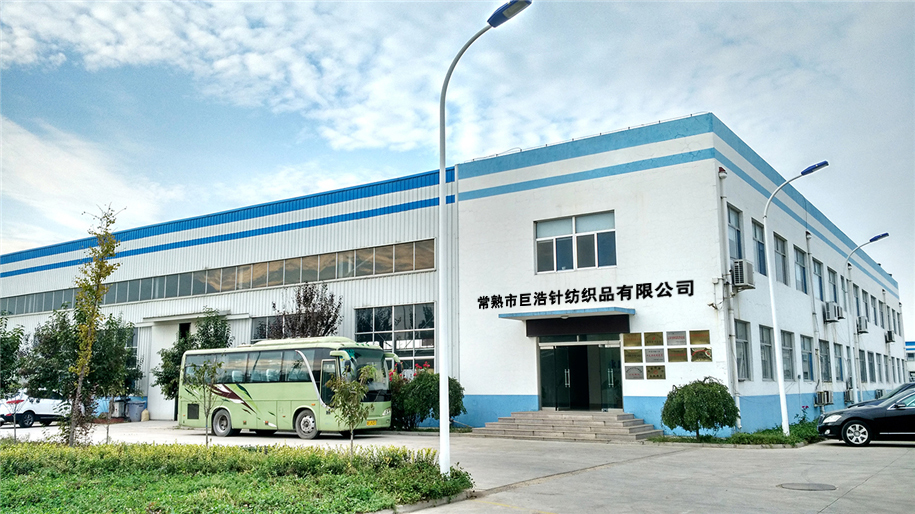
When sourcing wholesale microfiber products, supplier reliability, manufacturing expertise, and customization options directly impact your brand reputation and profit margins.
As a specialized microfiber cloth manufacturer with 16 years of direct production experience, JUHAO stands at the forefront of the microfiber textile industry.
Over the past decade and a half, JUHAO has refined yarn-selection, weaving, splitting, dyeing, and finishing processes to ensure that every towel meets rigorous international quality standards.
For distributors, private label brands, and corporate sourcing officers, JUHAO provides complete OEM and ODM customization services:
Custom Dimensions: From small $10 \times 10\text{ cm}$ eyeglass wipes to oversized $60 \times 120\text{ cm}$ detailing towels or custom cleaning mops.
Custom Color Matching: Match exact corporate or retail brand colors via Pantone reference coding with high color-fastness guarantees.
Custom Weaves & GSM Options: Tailor fabric density ($200\text{ GSM} - 800+\text{ GSM}$) and weave type (Terry, Waffle, Suede, Chenille) to meet target price points and performance needs.
Custom Logo Printing & Branding:
Embossed / Heat-stamped logos
Silk-screen printed logos
Woven fabric tags and labels
Custom full-color retail packaging (polybags, color bands, boxes)
Buying wholesale microfiber requires a trusted partner who guarantees batch-to-batch consistency, competitive factory-direct pricing, and reliable delivery schedules.
If you are looking for microfiber cloth wholesale solutions backed by 16 years of manufacturing authority, partner with JUHAO. Contact JUHAO's product team today to request samples, discuss custom specifications, and receive a competitive wholesale quotation for your business.


